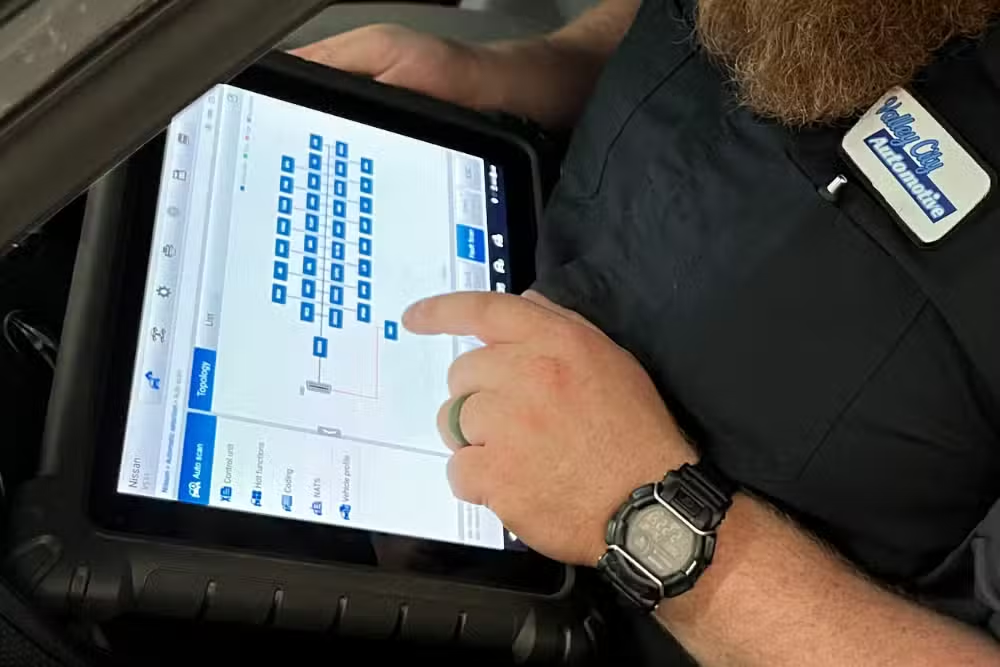
The check engine light comes on. You stop at a parts store, they scan it for free, hand you a code, and suggest a part. Sound familiar? Here is what that process misses: a code identifies a system, not a cause. Vehicle testing and evaluation is what bridges that gap between a number on a screen and a repair that actually fixes the problem. At Valley City Automotive, that distinction is the foundation of every check engine light concern brought through the door. This post covers what a code scan does, what it cannot do, and what true diagnostic testing looks like when the right equipment and the right expertise are in the room.
What a Code Scan Actually Does
When a warning light comes on, your vehicle’s onboard computer stores a diagnostic trouble code. That code is what gets pulled at a parts store. It gives you a category of the problem, not the cause.
Here is an important distinction:
- A code points to a system: For example, a P0420 code flags the catalytic converter system.
- A code does not identify the root cause: That same code could be triggered by a faulty oxygen sensor, an exhaust leak, a failing catalytic converter, or engine misfires burning off unburnt fuel.
- A code does not tell you what part to replace: It tells you where to start looking.
When a parts store employee reads your code and recommends a part, they are making an educated guess. Sometimes they get lucky. Often, drivers replace a part only to have the warning light come back on within days.
That is not a diagnosis. That is a starting point.
What Vehicle Testing and Evaluation Looks Like
It Starts With the Right Equipment
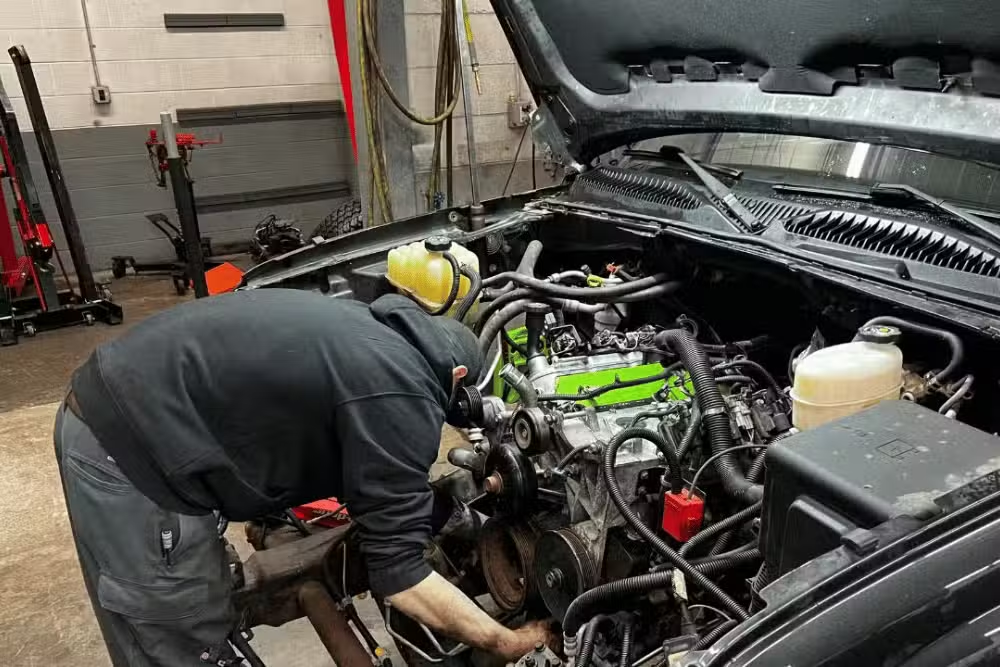
True vehicle testing starts with professional-grade scan tools that can do far more than read a stored code. At Valley City Automotive, the team uses Autel, Snap-On, TopDon, and factory OEM scan tools, along with a Pico oscilloscope for advanced electrical signal testing.
OEM-level scan tools give technicians access to live data streams, freeze frame data, bidirectional controls, and manufacturer-specific parameters that a basic parts store scanner simply cannot access. That gap in capability is significant.
Live Data Changes Everything
Reading a code gives you a snapshot from the past. Live data testing shows you what is happening in real time while the system is under operating conditions. A technician can monitor:
- Fuel trim values
- Oxygen sensor response times
- Ignition timing
- Coolant and intake air temperatures
- Throttle response and idle data
That live data tells the story behind the code and helps pinpoint the actual failure rather than a symptom.
Electrical Testing Goes Even Deeper
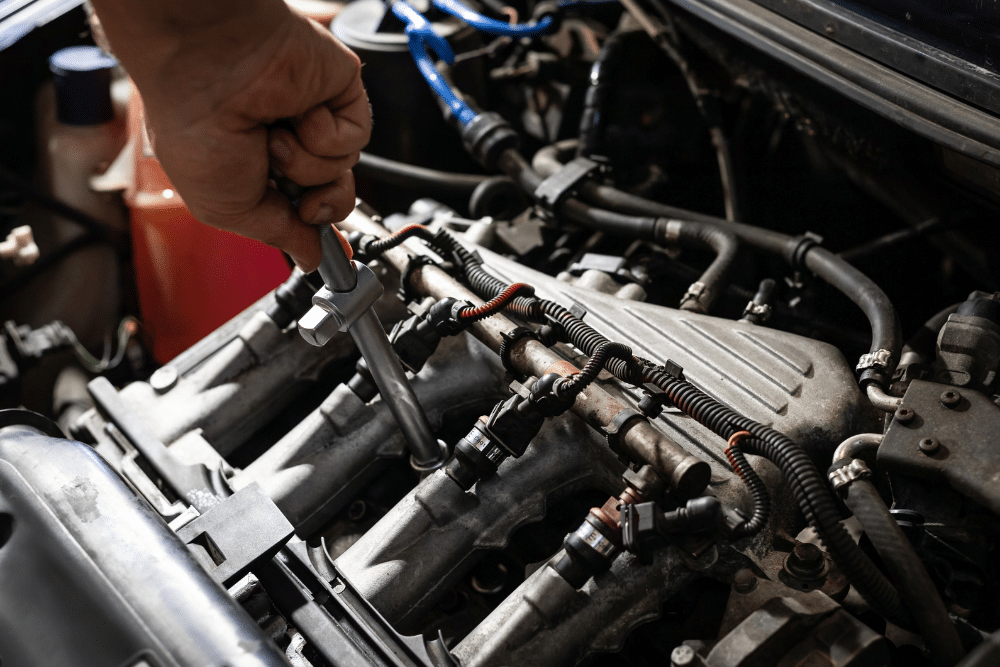
Some vehicle problems do not throw codes at all. Electrical faults, intermittent sensor failures, and wiring issues can cause all kinds of drivability problems without triggering a warning light. That is where tools like the Pico oscilloscope become essential.
This tool measures electrical signals in real time at the component level, something no code reader can do. It is the difference between guessing and knowing.
The Parts Store Trap: Why It Costs You More
Auto parts stores pull codes as a courtesy service because it drives part sales. That is not a criticism. It is just how the business model works. The problem is what happens next: a driver takes that code, buys the recommended part, installs it, and the light comes back on. Same problem. Extra expense.
This pattern even has a name in the industry: “parts cannon” repairs. Proper vehicle testing and evaluation eliminates that cycle by confirming the root cause before anything gets recommended. You only pay for what actually needs to be fixed.
Concerned about a warning light or check engine light? Bring your vehicle to Valley City Automotive at 1330 Menomonie St., Eau Claire, WI 54703 or call 715-598-7045 to schedule a full system evaluation.
Diagnostic Testing vs. Code Scanning at a Glance
| Feature | Basic Code Scan | Professional Diagnostic Testing |
|---|---|---|
| Primary purpose | Retrieves stored trouble codes | Evaluates the cause of a reported concern |
| Typical information | Codes and limited definitions | Codes, live data, freeze-frame records, electrical or mechanical test results |
| Component testing | Usually not included | Performed as needed |
| Root cause | Not confirmed by the scan alone | Investigated and verified when testing supports a conclusion |
| Customer cost | Often complimentary | Professional testing fee |
| Repair recommendation | Should not be based on the code alone | Based on available test evidence and findings |
Dashboard Warning Lights and What They Mean for Drivers in Eau Claire
Not every warning light is a check engine light. Modern vehicles have dozens of dashboard symbols, and knowing which ones need immediate attention matters.
Lights That Require Prompt Attention
- Check Engine (solid): Schedule vehicle testing soon. A solid light indicates a stored fault.
- Check Engine (flashing): This is more urgent. A flashing check engine light often indicates an active engine misfire that can damage the catalytic converter. Do not ignore this one.
- Oil Pressure Warning: Stop driving as soon as safely possible. Low oil pressure can cause severe engine damage within minutes.
- Battery/Charging System: The charging system is not maintaining proper voltage. Get this evaluated before the vehicle leaves you stranded.
- Temperature Warning: Engine is overheating. Pull over safely and have the cooling system inspected.
Lights That Can Wait (But Should Not Be Ignored)
- Tire Pressure (TPMS): Address soon, but not an emergency in most cases.
- Maintenance Required: Typically an oil change reminder based on mileage.
- Traction Control or Stability Warning: May indicate a sensor or system issue worth evaluating.
Drivers in Eau Claire, Altoona, Lake Hallie, Seymour, Mondovi, and Elk Mound can bring any warning light concern to Valley City Automotive for a full system evaluation.
Why Valley City Automotive Approaches Testing Differently in Eau Claire, WI
At Valley City Automotive, the philosophy is straightforward: seek to understand before making decisions. That applies to the shop as much as it does to customers.
The team will not recommend a repair without confirming the root cause first. Owner Christian Beyer holds ASE Master L1 and L3 certifications, representing some of the highest levels of professional credentialing in the automotive industry. That expertise directly informs how vehicle testing and evaluation is handled at the shop.
Here is what you can expect when you bring a vehicle in for system testing:
- OEM-Level Testing Equipment: Autel, Snap-On, TopDon, and factory OEM scan tools are used to access manufacturer-specific data.
- Advanced Electrical Testing: The Pico oscilloscope evaluates electrical signal behavior at the component level.
- Courtesy Digital Vehicle Inspections: DVIs document the technician’s findings with photos and video so you can see exactly what was found.
- Transparent Communication: Results are shared clearly, with honest recommendations and no pressure.
- 36-Month/36,000-Mile Warranty: Repairs are backed by a 36-month/36,000-mile warranty for your peace of mind.
- NAPA AutoCare Center: Valley City Automotive is a certified NAPA AutoCare Center.
- Courtesy Loaner Vehicles: A courtesy loaner is available so your day does not have to stop.
- After-Hours Drop-Off and Pick-Up: Flexible options built around your schedule.
FAQs About Vehicle Testing and Diagnostic Testing in Eau Claire
Can a parts store diagnose my check engine light?
A parts store can read a stored diagnostic trouble code from your vehicle’s computer, but reading a code is not the same as diagnosing the cause. Codes point to a system or circuit, not a specific failed part, which is why professional vehicle testing is needed to confirm the root cause before any repair is recommended.
What does a car diagnostic test actually do?
A professional vehicle diagnostic test uses advanced scan tools to read stored fault codes, monitor live data streams, and evaluate how vehicle systems are performing in real time. This process helps technicians identify the exact root cause of a problem rather than guessing based on a code category alone.
Why does diagnostic testing cost money?
Professional vehicle testing requires specialized equipment, technical training, and time to properly evaluate the system and interpret the results. The cost reflects the expertise and tools required to accurately identify problems, which ultimately saves money by avoiding unnecessary part replacements.
What do you call the lights on your dashboard?
The warning lights on your dashboard are commonly called dashboard warning lights, indicator lights, or dashboard symbols. Each light corresponds to a specific vehicle system, and their meanings range from routine maintenance reminders to urgent warnings that require immediate attention.
What happens when a check engine light flashes?
A flashing check engine light typically signals an active engine misfire occurring in real time. Unlike a solid check engine light, a flashing light means the issue is serious enough to potentially damage the catalytic converter and should be addressed promptly by bringing the vehicle to Valley City Automotive for a system evaluation.
Stop Guessing. Get Real Vehicle Testing in Eau Claire, WI Today
If your check engine light is on or you have vehicle dashboard warning lights you cannot identify, do not rely on a code scan alone. Schedule a full vehicle testing and evaluation with Valley City Automotive at 1330 Menomonie St., Eau Claire, WI 54703. Give the team a call at 715-598-7045. Proudly serving drivers in Eau Claire, Altoona, Lake Hallie, Seymour, Mondovi, and Elk Mound.