If you’re a Wisconsin driver, you already know that January’s subzero mornings can turn a simple engine start into a slow, grinding effort. What you might not realize is that the thick, sluggish sound you hear isn’t just the cold; it’s your engine oil struggling to flow. Winter oil changes aren’t just routine maintenance in Eau Claire, WI; they’re essential protection against the extreme temperatures that put your engine at serious risk.
At Valley City Automotive, we see firsthand how overdue oil service and thick, degraded oil can lead to costly engine damage during Wisconsin’s harshest months. This blog explains why timely engine oil service matters more in winter, how freezing temperatures affect your vehicle, and what steps you can take to keep your engine running smoothly all season long.
How Wisconsin's Winter Temperatures Affect Engine Oil
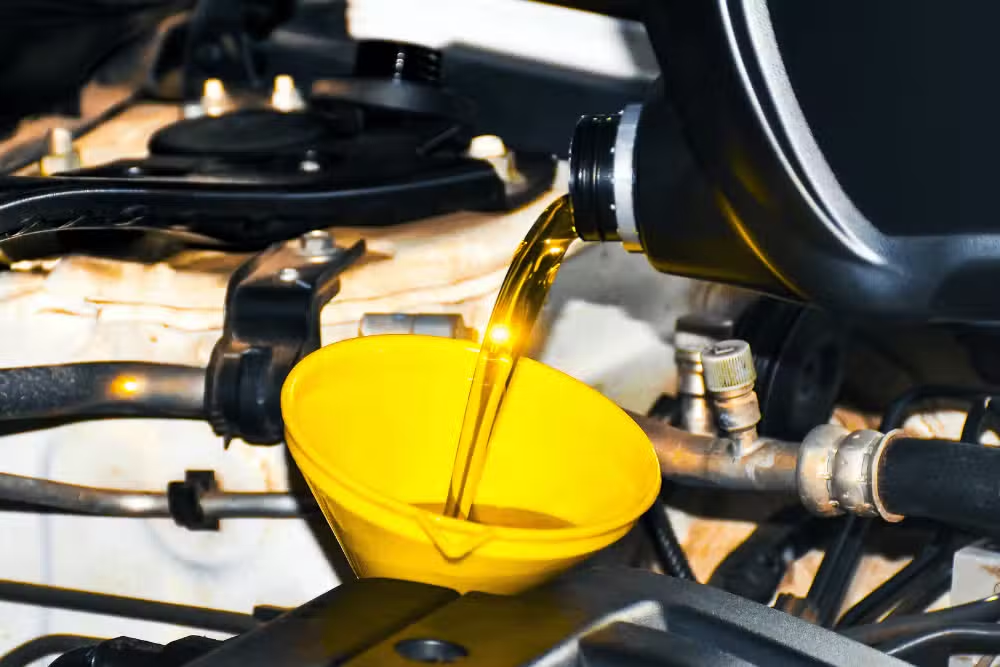
Cold weather transforms motor oil from a smooth, protective lubricant into a thick, viscous substance that resists flow. When temperatures drop below freezing across Eau Claire, Altoona, Lake Hallie, and the greater Chippewa Valley, your engine oil thickens, making it harder to circulate through critical components during startup.
Oil Viscosity and Cold Starts
Oil viscosity refers to how easily oil flows at different temperatures. In winter, conventional or degraded oil becomes sluggish, reducing its ability to coat and protect engine parts quickly. This creates a dangerous window during cold starts when metal-on-metal contact occurs before oil reaches all components. Drivers who delay oil changes compound this problem because old oil loses its viscosity-stabilizing additives, making it even thicker and less effective in the cold.
Impact on Fuel Economy and Engine Performance
Winter oil problems affect your vehicle’s performance in several ways:
- Thick oil creates resistance that makes your engine work harder
- You may notice slower acceleration and rougher idling
- Decreased responsiveness during the winter months signals oil degradation
- Regular engine service ensures proper viscosity for efficient operation
Why Missing Maintenance Records Increase Winter Risk
Based on our service history and customer feedback, we frequently encounter vehicles with no oil service sticker on the windshield or gaps in their maintenance records. Without clear documentation, drivers often go months past their recommended oil change interval. This problem intensifies in winter when degraded oil turns into thick sludge that barely circulates. At Valley City Automotive, we track service intervals precisely and provide transparent recommendations based on your vehicle’s actual needs, not generic assumptions.
Ready to protect your engine before the next cold snap? Visit Valley City Automotive at 1330 Menomonie St. Eau Claire, WI 54703, or call us at 715-598-7045 to schedule your winter engine oil service.
Signs Your Vehicle Needs a Winter Oil Change
Your vehicle communicates its needs through specific symptoms that become more pronounced in cold weather. Recognizing these warning signs helps you avoid preventable engine damage and ensures reliable winter performance.
Common Warning Signs
- Oil Change Indicator Activation: Modern vehicles monitor oil condition and notify you when service is needed. Don’t ignore this warning light.
- Mileage Interval Reached: Every vehicle has a manufacturer-recommended mileage interval for oil changes. Check your owner’s manual or maintenance schedule to stay on track.
- Time Interval Reached: Even if you haven’t driven many miles, oil breaks down over time. Most manufacturers recommend changing oil every 6-12 months, regardless of mileage.
- Oil Contamination: If coolant, fuel, or other contaminants enter your oil system, immediate replacement is necessary to prevent engine damage.
Why Synthetic Oil Outperforms Conventional Oil in Wisconsin Winters
Synthetic oil offers significant advantages over conventional oil, particularly in extreme cold. While both lubricants serve the same basic function, synthetic oil maintains consistent viscosity across a wider temperature range and flows more easily during cold starts.
Key Benefits of Synthetic Oil
Synthetic oil delivers superior winter protection through:
- Better flow at subzero temperatures due to fewer impurities
- Extended protection and longevity compared to conventional oil
- Improved fuel efficiency because your engine works less to circulate it
- Consistent viscosity that protects critical components during startup
High-quality synthetic oil, like the AMSOIL lubricants we use at Valley City Automotive, maintains its protective properties longer than conventional oil. This extended durability reduces the frequency of oil changes while delivering superior engine protection throughout Wisconsin’s demanding winter months.
What Happens When Oil Gets Too Thick in Freezing Weather
When motor oil thickens in extreme cold, it creates a cascade of problems that threaten engine health and reliability. Understanding these risks helps you appreciate why timely winter oil service isn’t optional maintenance; it’s essential protection.
Dangers of Thick, Cold Oil
Thick oil creates multiple engine problems:
- Delayed lubrication leaves components unprotected during startup
- Increased engine stress as your oil pump works harder
- Reduced oil pressure starves critical components of lubrication
- Sludge buildup clogs passages and interferes with operation
- Permanent damage accumulates with every cold start
Your engine must work harder to pump thick oil through narrow passages and around tight clearances. This additional stress strains the oil pump, reduces efficiency, and forces all moving parts to operate under higher resistance. Repeated cold starts with thick oil shorten engine lifespan significantly.
Don’t let thick oil damage your engine. Schedule your oil change in Eau Claire today by calling Valley City Automotive at 715-598-7045.
Valley City Automotive's Approach to Winter Engine Oil Service
At Valley City Automotive, we understand that Wisconsin drivers need more than basic oil changes. They need comprehensive engine service backed by expertise, transparency, and quality parts. Our approach reflects our commitment to keeping Eau Claire families safe and confident on winter roads.
What Sets Our Service Apart
We believe informed customers make better decisions. That’s why we provide detailed explanations of our recommendations and encourage you to ask questions and seek to understand before making decisions about your vehicle’s care. This educational approach builds trust and helps you feel confident in the service you receive.
Seasonal Maintenance Tips for Eau Claire Drivers
Beyond regular oil changes, several additional steps help protect your vehicle during Wisconsin’s winter months. These proactive measures reduce breakdowns, improve safety, and extend your vehicle’s lifespan.
Recommended winter maintenance services:
- Replace your engine air filter if it’s dirty or clogged
- Check and replace your cabin air filter for better heater performance
- Test your battery to ensure it can handle cold-start demands
- Inspect coolant levels and condition to prevent freezing
- Examine belts and hoses for cracks or wear that worsens in cold weather
- Verify tire pressure and tread depth for safe winter traction
Based on service records and Carfax reports, we often find that drivers overlook these preventative maintenance services until problems occur. Addressing them proactively during your oil change saves time, money, and frustration while keeping your vehicle dependable throughout winter.
Why Choose Valley City Automotive for Winter Engine Service
Choosing the right shop for your winter engine oil service makes a significant difference in quality, reliability, and peace of mind. Valley City Automotive stands apart through our commitment to excellence, transparency, and customer education.
Eau Claire drivers consistently recognize us for having some of the best reviews in the area, and we’ve earned that reputation through quality workmanship and honest communication.
- ASE Master L1 and L3 certifications
- Premium Amsoil synthetic lubricants designed for extreme Wisconsin cold
- Snap-On, Autel, and TopDon scanners for accurate testing and evaluation
- 36-month/36,000-mile warranty on all auto repairs
- Courtesy loaner vehicles to keep you mobile during service
- After-hours drop-off and pick-up for your convenience
- Digital vehicle inspections with photos and videos you can review remotely
- Remote payment options and easy financing
- EPA 609 certification for complete environmental compliance
- Commitment to safety that protects families and keeps our community on the road
Located at 1330 Menomonie St. in Eau Claire’s Shawtown neighborhood, we proudly serve Eau Claire, Altoona, Lake Hallie, Seymour, Mondovi, and Elk Mound with top-tier automotive care.
FAQs About Winter Engine Oil Service in Eau Claire
Do I need an oil change more often in Wisconsin winters?
Winter doesn’t shorten oil change intervals, but cold temperatures expose degraded oil faster through rough starts and thick consistency. Staying current on your recommended schedule ensures reliable winter operation and prevents engine damage.
Why does my engine sound louder in the cold?
Cold temperatures thicken motor oil, slowing circulation during startup. This delay increases friction before lubrication reaches moving parts, creating louder sounds. Fresh synthetic oil flows easily in cold weather and reduces startup noise.
Is synthetic oil better for winter driving in Eau Claire?
Yes, synthetic oil maintains consistent viscosity at low temperatures and flows easily during startup. This provides immediate engine protection, reduces wear, and improves fuel efficiency throughout Wisconsin’s harsh winter months.
What happens if oil gets too thick in freezing weather?
Thick oil can’t circulate properly, causing delayed lubrication, increased friction, reduced oil pressure, and sludge buildup. Over time, these problems lead to permanent engine damage and expensive repairs that could have been prevented.
How do cold temperatures affect oil pressure in winter?
Cold temperatures thicken oil, reducing the flow rate and lowering oil pressure during startup. Thick oil can also cause pressure spikes as your pump struggles to circulate it, threatening engine components and triggering warning lights.
Schedule Your Winter Engine Oil Change Service in Eau Claire, WI Today
Don’t wait until your engine struggles through another cold start. Protect your vehicle with timely engine oil service from Valley City Automotive. Our team is ready to inspect your vehicle, recommend the right oil for your needs, and ensure your engine runs smoothly throughout Wisconsin’s demanding winter season.
Visit us at Valley City Automotive, 1330 Menomonie St. Eau Claire, WI 54703, or call us at 715-598-7045 to schedule your appointment. We’re here to answer your questions and provide the transparent, expert service you deserve. Let us help you stay safe and confident on the road this winter.